
What is Credit Card?
A credit card is a thin piece of plastic or metal. It’s given out by banks or financial companies. It lets users borrow money to buy things and services from places that accept cards.
The idea behind a credit card is straightforward. It lets people buy things and then pay back later, sometimes with extra fees. This tool is key in today’s shopping world. It makes buying things easy and flexible for everyone.
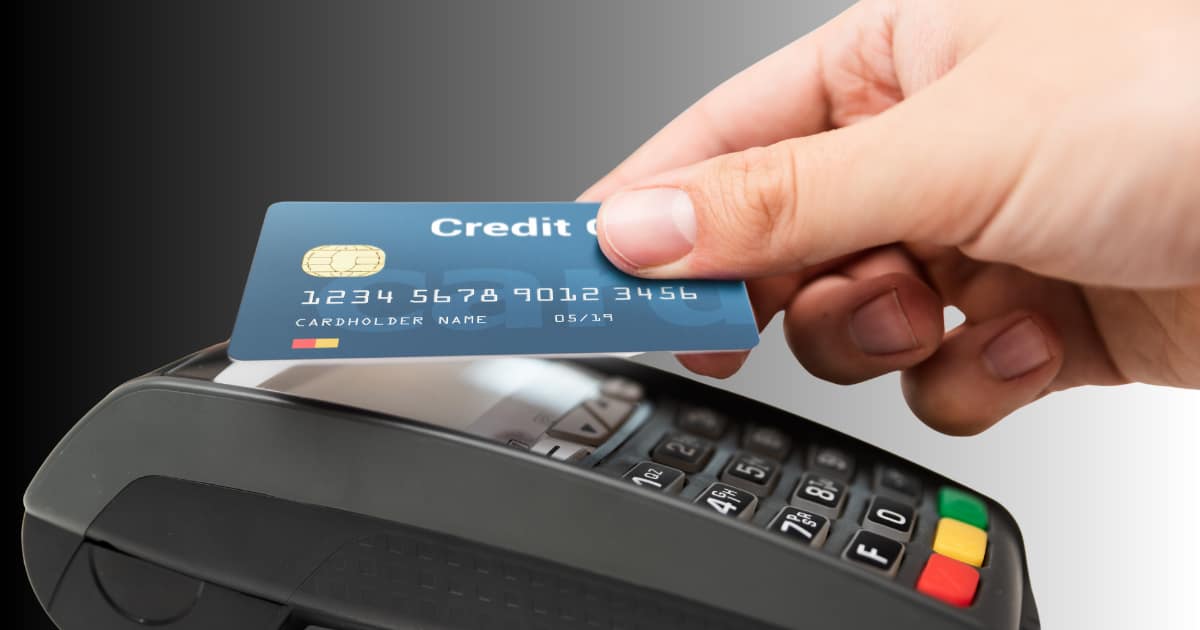
Imagine you want to buy a laptop costing ₹50,000, but you don’t want to pay the full amount immediately. Instead, you use a credit card.
The bank pays the merchant on your behalf. You then repay the bank within the billing cycle. If you repay the full amount before the due date, no interest is charged.
This is how a credit card works in simple terms — it allows you to borrow first and pay later.
What is a Credit Card? (Clear Definition Section)
A credit card is a financial instrument issued by a bank or financial institution that allows users to borrow money up to a pre-approved credit limit for purchases, bill payments, or online transactions.
The cardholder must repay the borrowed amount within the billing cycle. If the full amount is not repaid, interest charges apply.
Banks like State Bank of India and Axis Bank issue different types of credit cards based on eligibility and income profile.
How a Credit Card Works (Step-by-Step)
Credit Card Working Process
- Bank approves a credit limit (e.g., ₹1,00,000).
- You use the card for purchases.
- A monthly statement is generated.
- You repay the full or minimum due amount.
- Interest applies only if full payment is not made.
Credit Card Key Features (2026)
| Feature | Description |
| Credit Limit | Maximum spending allowed |
| Interest-Free Period | Up to 45–50 days (if paid on time) |
| Minimum Due | Small percentage of total bill |
| Rewards | Cashback / Points / Miles |
| EMI Option | Convert purchases into installments |
| Regulator | Reserve Bank of India guidelines apply |
Types of Credit Cards
Common Types in 2026
- Cashback Credit Cards
- Travel Credit Cards
- Fuel Credit Cards
- Shopping / Co-Branded Credit Cards
- Secured Credit Cards
Each card type offers different reward structures.
Pros & Cons
Advantages
- Interest-free period
- Reward points & cashback
- Builds credit score
- EMI conversion options
- Emergency spending support
Risks
- High interest if unpaid
- Overspending temptation
- Late payment penalties
- Debt accumulation risk
Understanding Credit Cards: A Basic Overview
Learning about credit cards is key to handling your money well. These cards are everywhere and come with many perks and features.
The Definition of a Credit Card
A credit card lets you borrow money to buy things, pay bills, or get cash. It’s a type of revolving credit. This means you can use and pay back the credit again and again, up to a limit.
Key characteristics of a credit card include:
- A set credit limit
- A billing cycle and payment due date
- Interest on what you owe
- Fees like annual or late payment fees
How Credit Cards Differ from Debit Cards
Credit cards and debit cards are not the same. Debit cards take money straight from your account. Credit cards let you borrow money from the issuer.
The main differences are:
- Source of funds: Credit cards borrow money, while debit cards use your own funds.
- Payment terms: Credit cards need you to pay back with interest, while debit cards take the money right away.
- Impact on credit score: Using credit cards can change your credit score, but debit cards usually don’t.
What is Credit Card: The Fundamental Concept
It’s important to know how credit cards work to use them well. They’ve changed how we buy things, making it easier and more flexible. In India, credit cards are a big part of banking, giving users lots of benefits.
The Evolution of Credit Cards
Credit cards started in the early 1900s, but the first modern one came out in the 1950s. Over time, credit cards have gotten much better, with new tech like EMV chips and contactless payments. Now, they’re used all over the world, making buying things easy.
- Introduction of the first modern credit card in the 1950s
- Technological advancements in credit card technology
- Global acceptance of credit cards
Credit Cards in the Indian Banking System
Credit cards are key in Indian banking, making payments simple. Indian banks offer many credit cards with cool benefits, like rewards and travel perks. More people are using digital payments, which has helped credit cards grow in India.
- Convenient payment method
- Variety of credit card options available
- Increasing adoption of digital payments
In summary, knowing about credit cards is key to getting the most out of them. As they keep improving, it’s important for users to keep up with their latest features and benefits.
How Credit Cards Work: What is Credit Card
Credit cards are a big part of our financial lives today. But how do they really work? Knowing how credit cards function is key to managing your money well. This part will explain how credit card transactions work and what credit limits mean.
The Credit Card Transaction Process
When you use a credit card, several groups play a role. These include the cardholder, the merchant, the acquiring bank, and the issuing bank. When you buy something, the merchant checks your card details and asks the acquiring bank for approval.
The acquiring bank then checks with the issuing bank to see if you have enough credit. Here’s how it all happens:
- The cardholder presents their credit card as payment.
- The merchant swipes or inserts the card into a payment terminal.
- The payment terminal sends the transaction details to the acquiring bank.
- The acquiring bank requests authorization from the issuing bank.
- The issuing bank verifies the cardholder’s available credit and responds with an authorization code.
- The acquiring bank tells the merchant it’s okay, and the deal is done.
Credit Limits and Available Credit
A credit limit is the highest amount you can charge on your card. Available credit is what you can spend within that limit. Knowing about credit limits and available credit helps you use your card wisely. It’s also good to know about credit card fees and charges to avoid surprises.
| Credit Limit Component | Description |
|---|---|
| Credit Limit | The maximum amount that can be charged to the credit card. |
| Available Credit | The remaining amount available for use within the credit limit. |
| Used Credit | The amount already utilized by the cardholder. |
By understanding understanding credit card terms and managing your credit limits well, you can use your credit card smartly. This keeps your finances healthy.
Anatomy of a Credit Card: What is Credit Card
Understanding a credit card’s anatomy is key to seeing its benefits and security. It’s not just for paying; it’s a complex tool with physical and digital parts. These parts aim to make using the card better and safer.
Physical Features and Security Elements
Today’s credit cards have many physical security features. They have EMV chips for secure transactions and holograms that are hard to fake. There’s also a card verification value (CVV) on the back for extra security online and by phone.
Digital Features of Modern Credit Cards
Modern credit cards also have digital features for more convenience and security. They support contactless payments for easy transactions without touching the terminal. Many cards also work with mobile wallets like Google Pay or Apple Pay, making payments simple with your phone.
These digital features make transactions safer and easier. Plus, many cards offer credit card rewards like cashback, points, or travel miles. This adds value to using the card.
Types of Credit Cards Available in India: What is Credit Card
The Indian credit card market has a wide range of cards for different needs. With more digital transactions, issuers have created various cards. This meets the needs of many consumers.
Rewards Credit Cards
Rewards credit cards help you earn points or cashback on your purchases. They offer points or cashback in categories like dining, groceries, or fuel. Major banks in India offer these cards with benefits like redeemable points, discounts, and special offers.
Travel Credit Cards
Travel credit cards are great for those who travel often. They come with perks like airport lounge access, travel insurance, and discounts on flights. You can earn travel miles or points to use for flights, hotel stays, or other travel costs.
Cashback Credit Cards
Cashback credit cards give you a percentage of your spending back. They are good for everyday expenses. With cashback on purchases, they are best for those who pay off their balance each month.
Business Credit Cards
Business credit cards are made for entrepreneurs and businesses. They offer expense tracking, employee cards, and rewards on business purchases. These cards help manage finances and earn rewards on business spending.
Choosing the right credit card depends on your spending habits and financial goals. Knowing the different types of cards helps you pick one that fits your needs.
Key Features of Credit Cards
It’s important to know the key features of credit cards to get the most out of them. They come with benefits that make them useful and appealing. This is why many people choose to use them for their payments.
Interest-Free Period
The interest-free period, or grace period, is a big draw for credit cards. It lets you buy things without paying interest if you pay off your balance on time. This period can last from 20 to 50 days, depending on the issuer and your cycle.
Using this feature wisely can help you avoid interest and save money.
EMI Conversion Facility
The EMI conversion facility is another great feature. It lets you turn big purchases into monthly payments, making them easier to handle. This helps with budgeting and eases the burden of big payments.
Cardholders can pick from different EMI terms based on their financial needs.
Add-on Cards
Add-on cards are a bonus from credit card issuers. They let you give cards to family or others with their own spending limits. They’re handy for managing household costs or helping others financially.
The main cardholder can keep an eye on and control the spending on add-on cards. This makes tracking expenses simpler.
Credit Card Benefits for Indian Consumers
Credit cards give Indian consumers many advantages. They offer financial flexibility and rewards. These perks make credit cards a great choice for managing money and getting extra benefits.
Financial Flexibility and Convenience: What is Credit Card
Credit cards provide a lot of financial flexibility. You can buy things online or offline without paying right away. This helps manage your cash flow better.
This convenience is very helpful in emergencies or when you have unexpected costs.
Rewards and Cashback Opportunities
Credit cards also offer rewards and cashback. Many cards give points or cashback on specific purchases. You can use these rewards for travel, merchandise, or to pay off your card.
This makes using your credit card more rewarding. You earn rewards on your everyday spending.
Building Credit History
Using a credit card wisely helps build a good credit history. Paying on time and keeping your credit use low improves your score. A good credit history is key for getting loans or credit at better rates later.
In short, credit cards offer Indian consumers financial flexibility, rewards, and a chance to build a strong credit history. By using these benefits wisely, consumers can get the most from their credit cards.
Understanding Credit Card Terms and Conditions
Credit card terms and conditions are not just legal jargon; they are essential for responsible credit card usage. It’s important for cardholders to understand these terms to manage their cards well and avoid extra charges.
When you apply for a credit card, you agree to the issuer’s terms and conditions. These terms include key components that cardholders need to know to use their cards wisely.
Annual Percentage Rate (APR): What is Credit Card
The Annual Percentage Rate (APR) is the interest rate on your credit card balance if you don’t pay the full amount. It’s a critical factor because it affects the cost of borrowing. For example, a higher APR means more interest over time.
Minimum Payment Requirements
Minimum payment requirements are the smallest amount you must pay each billing cycle to keep your account in good standing. Paying only the minimum can extend your payoff period and increase the total interest paid.
Grace Period Explained
The grace period is the time between the end of a billing cycle and the payment due date. During this time, you can pay your balance without interest charges. Knowing the grace period helps you avoid interest by paying your balance in full before the due date.
| Term | Description | Impact on Cardholder |
|---|---|---|
| APR | Interest rate charged on outstanding balance | Influences the cost of borrowing |
| Minimum Payment | Smallest amount to be paid per billing cycle | Affects payoff period and total interest paid |
| Grace Period | Timeframe to pay balance without interest | Helps avoid interest charges with timely payments |
By understanding these basic aspects of credit card terms and conditions, cardholders can make better decisions. This can save money and help avoid financial problems.
Credit Card Fees and Charges in India: What is Credit Card
It’s important for Indian consumers to know about the fees on credit cards. These cards offer convenience but also have charges that affect your costs.
Credit card companies in India charge different fees. These include annual fees, interest, late payment fees, and fees for foreign transactions. Knowing about these can help you use your card wisely.
Annual and Joining Fees
Many credit cards in India have annual or joining fees. These fees can be high, but some cards offer more benefits for these costs.
- Annual fees can range from a few hundred to several thousand rupees.
- Some cards offer the first year free, waiving the joining fee.
Interest Charges
Interest charges happen when you don’t pay your bill in full on time. The interest rate, or APR, varies among issuers.
- Interest is charged daily and compounded monthly.
- Knowing your APR is key to avoiding high interest.
Late Payment Fees
Late payment fees are for missed or delayed payments. These fees can be high and hurt your credit score.
- Late payment fees can range from ₹500 to ₹1,000 or more, depending on the issuer.
- Automatic payments can help avoid these fees.
Foreign Transaction Fees
Foreign transaction fees apply to international or online purchases in foreign currencies.
- These fees are usually 2.5% to 3.5% of the transaction amount.
- Some cards, like those for international travel, have lower or no foreign transaction fees.
Credit Card Rewards Programs in India
Credit card rewards programs in India have changed how people earn and use rewards. With more people using credit cards, rewards have become a key part of the experience.
These programs let cardholders earn points or cashback. They can use these rewards for different things. The rewards vary by credit card issuer, with some being more rewarding.
Points Systems and Redemption Options: What is Credit Card
Most rewards programs use points. Cardholders get points for every purchase. They can then use these points for gifts, travel, or other items.
- Redeemable rewards: Gift vouchers, travel miles, merchandise
- Points earning: Earn points for every transaction
Maximizing Credit Card Rewards
To get the most out of rewards, pick a card that fits your spending. For example, if you travel a lot, a travel rewards card is best.
- Choose a credit card that aligns with your spending habits
- Use your credit card for daily expenses
- Redeem your points regularly to avoid expiration
By knowing how rewards work and using your card wisely, you can get great rewards. This makes your credit card experience even better.
How to Apply for a Credit Card in India
If you want a credit card in India, knowing what you need is key. It’s important to understand the requirements and steps to apply. This knowledge can make the process smoother and boost your approval chances.
Eligibility Requirements
To get a credit card in India, you must meet certain criteria. Banks look at several factors, including:
- Age: You need to be at least 18 years old, but some banks might ask for more.
- Income: You must have a steady income, with the amount needed varying by bank.
- Credit Score: A good credit score helps a lot in getting approved.
- Employment Status: Having a job or a steady income is usually required.
Checking if you qualify before applying can save you time and boost your approval chances.
Application Process and Documentation: What is Credit Card
The steps to apply for a credit card in India are straightforward:
- Pick a credit card that fits your needs, considering rewards, rates, and fees.
- Complete the application form online or in-person.
- Provide the needed documents, like ID, address proof, income proof, and photos.
- Wait for the bank to verify your information, which might include a credit check.
Required documents include ID, address proof, income proof, and recent photos. Having these documents ready can speed up the application.
Credit Cards and Your Credit Score
Managing credit cards well is important for a good credit score in India. Your credit score shows how reliable you are with money. Credit cards play a big role in this score.
How Credit Cards Affect CIBIL Score in India
The CIBIL score goes from 300 to 900. It depends on how you use your credit cards. Pay on time and use less than 30% of your credit limit to improve your score.
But, late payments and using too much credit can hurt your score. Applying for many cards at once also has a negative effect.

Building Good Credit with Credit Cards
To improve your credit, know the terms and benefits of your card. Understand the interest-free period and any fees. Pay your balance in full and use your credit wisely.
This shows you’re responsible with money. Over time, it will help your credit score. A better score means better loan terms and credit offers.
Credit Card Security and Fraud Prevention
In today’s digital world, keeping your credit card safe is a big deal in India. With more online shopping, the chance of fraud has gone up. It’s important to protect your card info and know what to do if it’s lost or stolen.
Protecting Your Credit Card Information
To keep your card details safe, be careful when sharing them online or by phone. Make sure you’re on a secure site before giving out your card info. Look for “https” in the URL and a lock icon in the address bar to check if it’s secure.
Best practices to protect your credit card information include:
- Keep your card details to yourself
- Don’t share your card info on unsecured sites or in unencrypted emails
- Check your card statements often for any odd transactions
What to Do If Your Card Is Lost or Stolen
If your card goes missing, act fast to avoid trouble. Here’s what to do:
- Call your credit card company right away to report it lost or stolen
- Give them your name, card number, and when you last saw it
- Ask them to block your card to stop any more use
| Action | Timeline | Benefit |
|---|---|---|
| Report loss/theft to issuer | Immediately | Prevents unauthorized transactions |
| Monitor credit card statements | Ongoing | Detects suspicious transactions early |
| Update recurring payments | Within a week | Ensures uninterrupted services |
By being proactive and taking the right steps, you can lower the risk of fraud. This helps keep your financial info safe.
Comparing Credit Cards with Other Payment Methods in India
In India, people have many ways to pay, like credit cards, debit cards, UPI payments, and digital wallets. It’s key to know how these options differ to make smart money choices.
Credit Cards vs. Debit Cards
Credit cards and debit cards are both used a lot, but they work in different ways. Credit cards let you borrow money for buying things, while debit cards take money straight from your account. Credit cards give you more freedom and rewards, but you must use them wisely to avoid debt.
Credit Cards vs. UPI Payments
UPI payments are getting more popular in India because they’re easy and fast. They’re tied to your bank account, unlike credit cards, and don’t let you borrow money. But, UPI payments are often free, which is great for small buys.
Credit Cards vs. Digital Wallets
Digital wallets like Paytm and PhonePe make paying easy and safe. They can be connected to credit cards but have their own rewards and perks. Credit cards, though, offer more benefits, like travel insurance and protection for your purchases.
How to Choose the Right Credit Card for Your Needs
Finding the right credit card is key to getting the most out of it. With so many options in India, it’s important to know your spending habits and compare different cards.
Assessing Your Spending Habits
Start by looking at where you spend your money. Do you buy a lot of groceries, eat out, travel, or go to shows? Knowing this helps you pick a card that gives you rewards or cashback in those areas.
For example, if you love to eat out, a card that offers cashback on dining is a good choice. If you travel a lot, look for a card with travel perks like lounge access or insurance.
Comparing Credit Card Offers from Indian Banks
After figuring out your spending, compare cards from different banks. Don’t just look at the interest-free period. Also, consider annual fees, foreign transaction fees, and how rewards work.
Key factors to compare include:
- Annual fees and joining fees
- Reward structures and redemption options
- Interest rates and late payment fees
- Add-on benefits like insurance or purchase protection
By understanding your spending and comparing cards, you can find one that fits your financial needs and offers extra benefits. This makes your credit card experience better.
Conclusion: What is Credit Card
A credit card in 2026 is a powerful financial tool when used responsibly. It offers convenience, rewards, and credit-building opportunities. However, it requires disciplined repayment to avoid high interest charges.
Understanding how a credit card works is the first step toward smart financial management.
FAQ: What is Credit Card
No. It is borrowed money that must be repaid.Q2. Does a credit card build credit score?
Yes, responsible usage improves credit score.Q3. What happens if I pay only the minimum due?
Interest charges apply on the remaining balance.
Q4. Can beginners apply for a credit card?
Yes, depending on income eligibility and credit profile.
Q5. Who regulates credit card services in India?
They operate under guidelines issued by the Reserve Bank of India.
Also Read-
https://topupdates.in/uti-mutual-fund-reliable-investments-for-your-goals/
https://topupdates.in/icici-mutual-fund-to-secure-your-future/
https://topupdates.in/aditya-birla-mutual-fund/
2 thoughts on “What is Credit Card | Easy Explanation 2026”