
Introduction: How Financial Changes in India 2026 Will Impact Your Money
Big Financial Changes in India 2026 are reshaping the financial landscape for millions of Indians. These transformative updates affect everything from your savings account to investment strategies, making it crucial to understand their implications for your financial future.
The RBI Update brings significant policy modifications that influence interest rates, while soaring FD Rates & New Rules create fresh opportunities for conservative investors. Whether you manage credit cards, maintain fixed deposits, or actively invest your savings, these changes demand immediate attention and strategic planning.
Financial Changes in India 2026 are already affecting how Indians save, invest, and spend money. These Financial Changes in India 2026 include updates in RBI policy, FD interest rates, and new banking rules that every citizen should understand.
To better understand how credit card rules and payments work, you can also read our detailed guide on
Credit Card Minimum Due Explained, which helps you avoid high interest charges and manage your finances smartly.
RBI Update 2026: Monetary Policy Changes and Their Impact
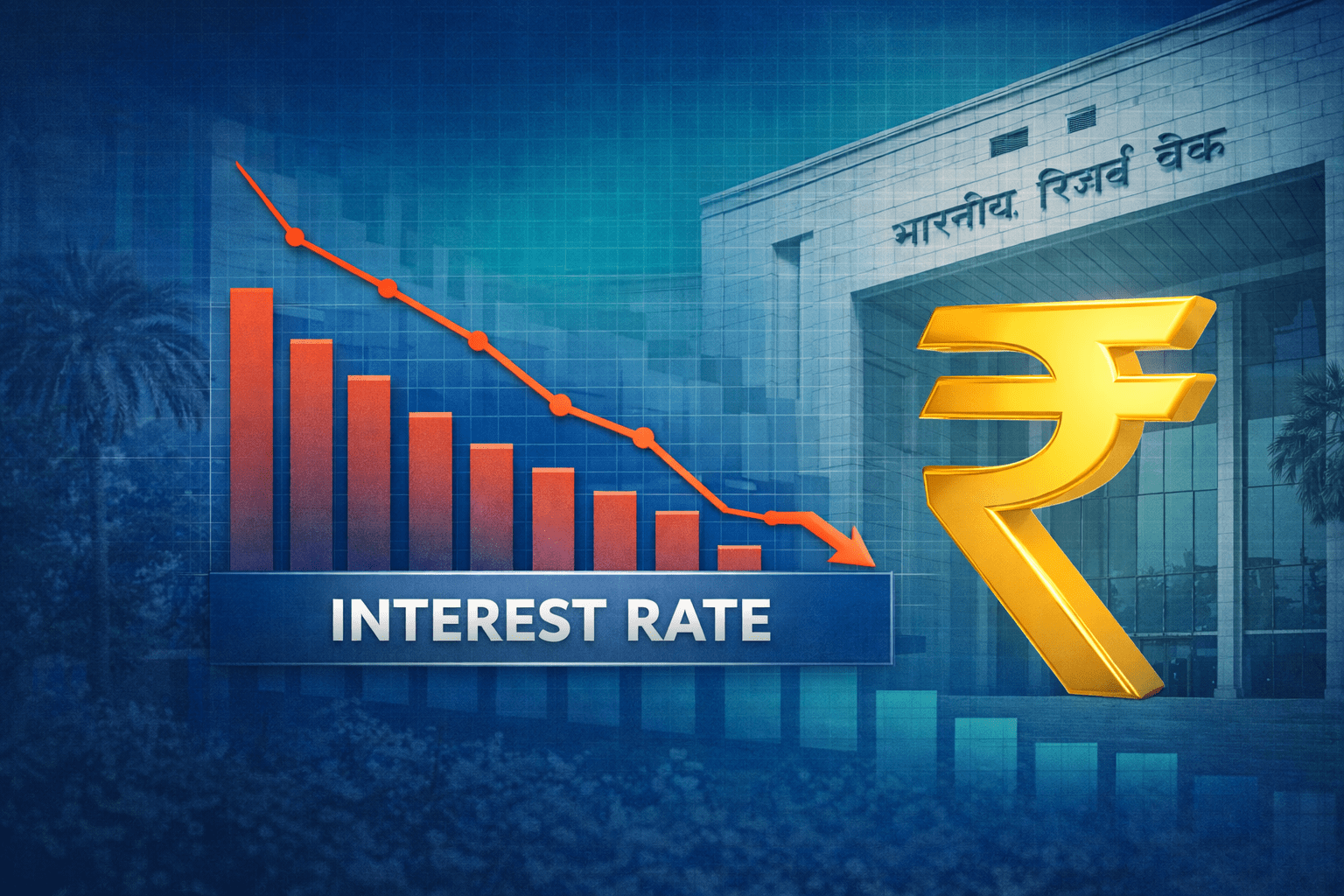
🏦 RBI Repo Rate Update (2026)
The Reserve Bank of India maintains its repo rate at current levels, demonstrating a calculated approach to balance inflation control with economic growth acceleration. This RBI Update reflects the central bank’s commitment to financial stability during uncertain global economic conditions.
Direct Benefits for Indian Consumers
Stable EMI Payments: Your existing loan EMIs will remain predictable without sudden increases, providing financial planning certainty for homeowners and personal loan borrowers.
Consistent Interest Environment: Banks maintain stable lending and deposit rates, creating a reliable environment for both borrowers and savers to make informed financial decisions.
Improved Credit Accessibility: Lending institutions continue offering competitive rates, making credit more accessible for business expansion and personal financial needs.
This monetary stability provides a solid foundation for long-term financial planning and investment strategy development.
These Financial Changes in India 2026 clearly show that RBI is focusing on stability rather than aggressive rate changes.
For official financial regulations and RBI policy updates, visit the
Reserve Bank of India (RBI) website.
FD Rates & New Rules: The Revival of Fixed Deposits
👉 Current situation:
✔ FD rates reaching 7%–8.5% in many banks
✔ Senior citizens getting even higher returns
👉 What it means:
✔ Fixed deposits are becoming attractive again
✔ Safe investment demand is increasing
✔ Risk-averse investors are shifting back to FDs
Among all Financial Changes in India 2026, the rise in FD interest rates is one of the most important trends for investors.
Rising Interest Rates Across Banking Sector
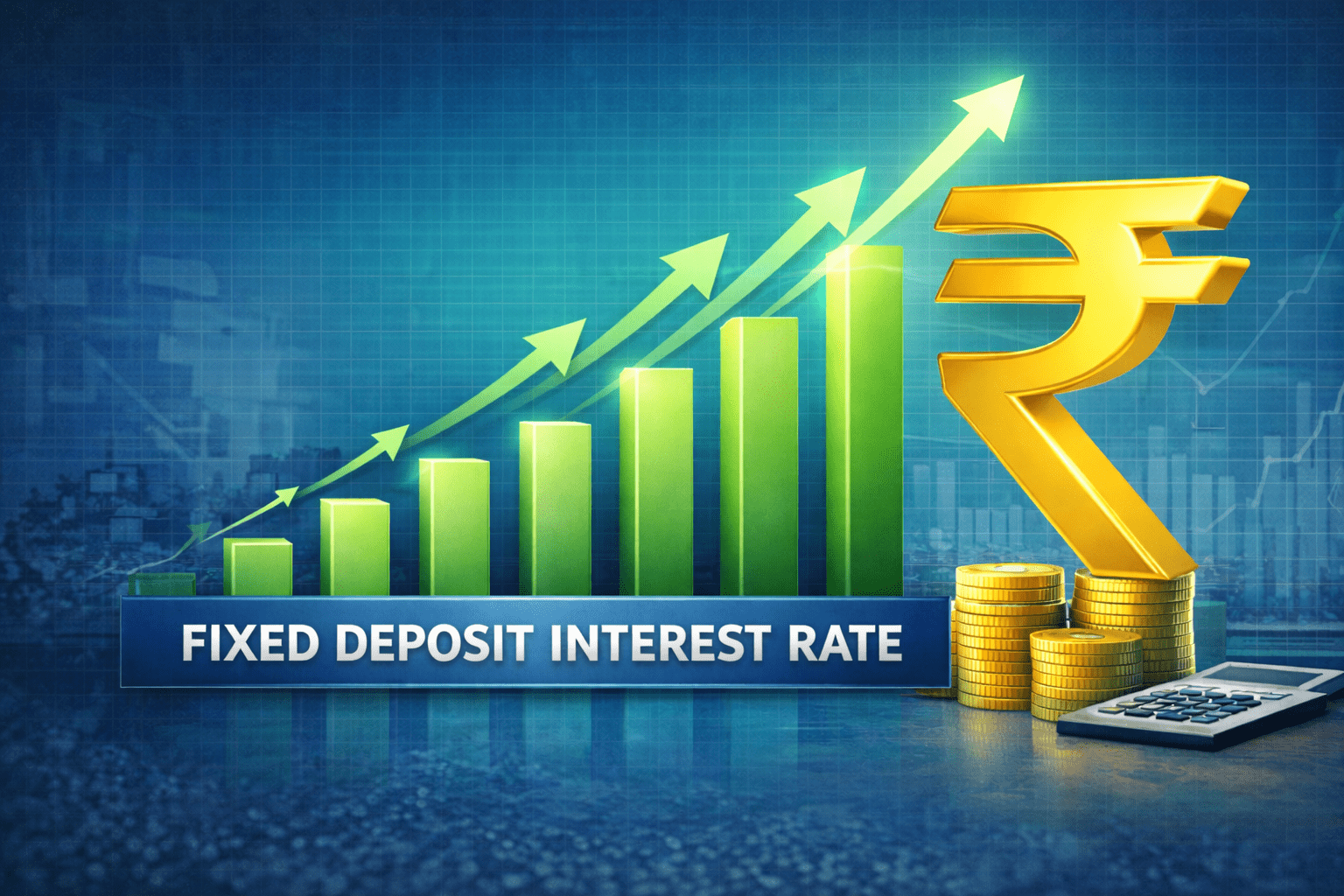
Fixed deposit investments are experiencing a remarkable revival as FD Rates & New Rules make them increasingly attractive. Major banks now offer rates ranging from 7% to 8.5%, marking the highest returns in several years.
Senior Citizen Benefits Enhanced
Banks provide additional interest rate benefits for senior citizens, with some institutions offering rates exceeding 9% on specific tenure fixed deposits. This enhancement makes FDs particularly appealing for retirement planning and risk-averse investors.
New FD Rules and Regulations
Flexible Tenure Options: Banks introduce more flexible tenure choices, allowing investors to optimize returns based on interest rate cycles and personal financial goals.
Digital FD Management: Enhanced online platforms enable seamless FD management, including automatic renewals and partial withdrawal facilities.
Tax-Saving FD Updates: Modified rules for tax-saving fixed deposits provide better clarity on lock-in periods and premature withdrawal penalties.
Credit Card and Digital Payment Regulatory Changes
👉 Key updates:
✔ PAN card mandatory for credit cards
✔ Stronger 2-factor authentication (2FA)
✔ Improved fraud detection systems
Enhanced Security Measures
The Big Financial Changes in India 2026 include strengthened security protocols for digital transactions. Financial institutions implement advanced fraud detection systems and mandatory two-factor authentication for all online transactions.
PAN Card Mandatory Requirement
New regulations mandate PAN card linking for all credit card applications and renewals. This requirement enhances financial transparency and helps prevent fraudulent activities in the credit system.
Impact on Consumer Experience
Improved Transaction Security: Advanced security measures significantly reduce fraud risks, making digital payments safer for everyday use.
Streamlined Verification Process: Despite stricter requirements, banks optimize their verification processes to maintain customer convenience while ensuring compliance.
Enhanced Credit Monitoring: Better tracking systems help consumers monitor their credit activities and detect unauthorized transactions promptly.
Comprehensive Overview of New Financial Rules in India (2026)
👉 Major updates:
✔ New tax-related compliance rules
✔ Changes in ATM withdrawal policies
✔ Updates in FASTag and digital payments
👉 What it means:
✔ More transparency in financial system
✔ Slight increase in compliance requirements
✔ Better tracking of financial activities
You can also explore financial comparisons and updates on trusted platforms like
Paisabazaar for better decision-making.
Tax Compliance Updates
Recent regulatory changes introduce enhanced tax-related compliance requirements for various financial transactions. These updates aim to improve transparency and reduce tax evasion across the financial ecosystem.
ATM and Banking Service Modifications
Transaction Limits: Updated withdrawal limits and fee structures for ATM transactions across different bank categories.
Digital Payment Integration: Enhanced integration between traditional banking services and modern digital payment platforms.
FASTag System Improvements: Streamlined FASTag operations with better connectivity and reduced transaction failures.
Financial Transparency Initiatives
New rules mandate better disclosure of fees, charges, and terms for various financial products, empowering consumers to make informed decisions about their banking relationships.
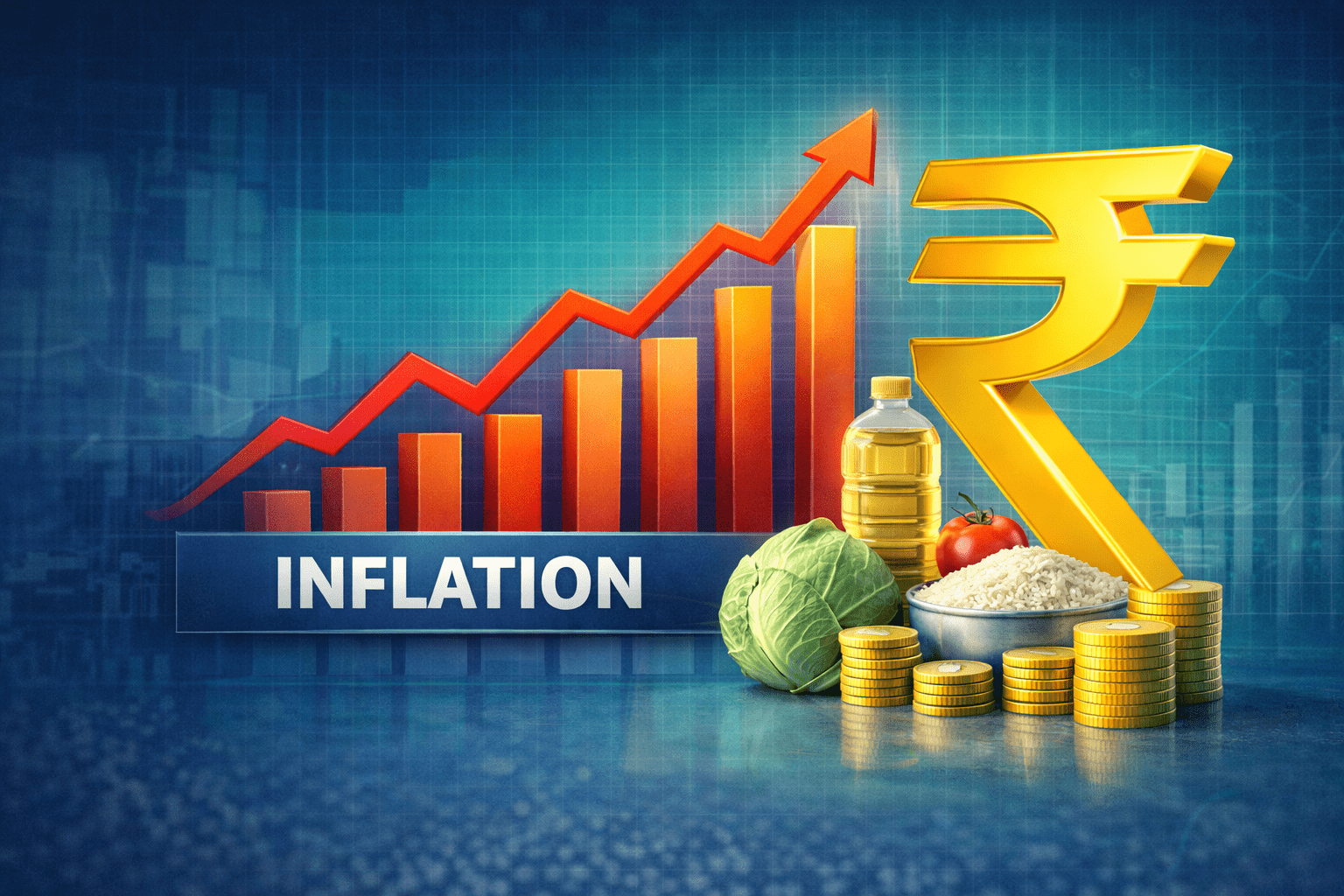
Inflation Update (2026)
Current Inflation Scenario
India maintains inflation within manageable limits despite global economic pressures. The RBI Update indicates continued focus on price stability while supporting economic growth objectives.
Consumer Impact Assessment
Cost of Living Adjustments: Moderate inflation levels require careful consideration when planning long-term investments and savings strategies.
Real Return Calculations: Investors must evaluate actual returns after accounting for inflation impact to ensure wealth preservation and growth.
Purchasing Power Protection: Strategic financial planning becomes essential to maintain purchasing power amid gradual price increases.
Strategic Financial Actions for 2026
Immediate Investment Opportunities
Lock Current FD Rates: Secure attractive fixed deposit rates before potential market changes affect interest rate scenarios.
Optimize Loan Structures: Review existing loans to take advantage of stable interest rate environments for refinancing opportunities.
Enhance Credit Management: Utilize improved credit card security features while maintaining responsible spending habits.
If you are planning to invest based on these Financial Changes in India 2026, you should also check our
FD Interest Rates India 2026 Guide to compare the latest returns and choose the safest investment options.
Long-term Financial Planning
Diversified Investment Approach: Balance safe investments like FDs with growth-oriented options based on risk tolerance and financial objectives.
Emergency Fund Enhancement: Build robust emergency reserves taking advantage of higher FD rates for secure, accessible savings.
Tax-Efficient Planning: Leverage new financial rules to optimize tax savings while maximizing investment returns.
Expert Analysis: Shifting Investment Patterns in India
Market Behavior Transformation
The Big Financial Changes in India 2026 reflect a significant shift from high-risk investment strategies toward stable, predictable returns. This transformation stems from increased market volatility and global economic uncertainty.
Conservative Investment Revival
Fixed Deposit Popularity: Rising FD rates attract investors seeking guaranteed returns and capital protection over speculative gains.
Risk Assessment Changes: Investors now prioritize capital preservation alongside steady growth rather than pursuing aggressive return strategies.
Balanced Portfolio Approach: Modern investment strategies emphasize diversification between safe and growth-oriented assets for optimal risk management.
Future Investment Outlook
Financial experts predict continued preference for stable investment options as FD Rates & New Rules provide attractive alternatives to volatile market investments. This trend supports long-term financial stability for Indian households while contributing to overall economic resilience.
⚡ What Should You Do Now?
Here are smart actions you should consider:
✔ Lock FDs at current high rates
✔ Avoid unnecessary personal loans
✔ Use credit cards responsibly
✔ Track inflation and adjust investments
🧠 Expert Insight: Shift in Investment Behavior
India is seeing a clear shift in financial behavior:
❌ Earlier trend → High-risk investments
✔ Current trend → Safe + stable options
👉 Why?
✔ Market volatility
✔ Global uncertainty
✔ Stable interest rate environment
👉 Investors are now focusing on capital protection + steady returns.
🔗 Related Articles
👉 Also read:
- Credit Card Minimum Due Explained
- Personal Loan Guide in India
- FD Interest Rates India 2026
❓ FAQs: Big Financial Changes in India 2026
Q1. What are the biggest financial changes in India 2026?
Major changes include RBI policy updates, rising FD interest rates, new credit card rules, and updated tax regulations.
Q2. Are FD rates increasing in 2026?
Yes, many banks are offering higher FD interest rates due to increasing demand for deposits.
Q3. Is RBI increasing interest rates in 2026?
No, RBI has kept the repo rate stable, indicating a balanced economic outlook.
Q4. Are credit cards becoming safer in 2026?
Yes, new rules like stronger 2FA and stricter verification have made credit card usage more secure.
Q5. How should I invest in 2026?
A balanced approach with FDs, mutual funds, and savings is recommended based on your risk level.
For better financial planning, you may also find our
Personal Loan Guide in India helpful in understanding interest rates, eligibility, and smart borrowing strategies.
The Big Financial Changes in India 2026 present both opportunities and challenges for Indian consumers. Understanding these RBI Updates and adapting to new FD Rates & New Rules enables better financial decision-making and wealth management.
Success in this evolving environment requires staying informed about regulatory changes, optimizing investment strategies based on current opportunities, and maintaining a balanced approach to risk and return. By following expert recommendations and adapting to new financial realities, Indians can build stronger financial foundations for future prosperity.
Written by Vijay Sinha – Personal Finance Educator