
Fixed deposit trend in India are changing rapidly in 2026, with more investors shifting back to safer options like bank FDs.
Are fixed deposits making a comeback in 2026? After a period of volatility in financial markets, many Indian investors are shifting back to the safety and predictability of Fixed Deposits (FDs).
After years of dominance by mutual funds and stock market investments, a clear trend is emerging—fixed deposits are regaining popularity among conservative and smart investors in India.
In this guide, we will explore the latest fixed deposit trend in India, recent interest rate changes, why investors are moving back to FDs, and whether it is the right investment choice for you in 2026.
Whether you are a beginner or a risk-averse investor, understanding this shift can help you make smarter financial decisions.
If you’re planning your finances in 2026, you should also check the latest FD interest rates in India to understand safe investment options.
Fixed deposits are closely linked with traditional banking systems. If you’re new, start with our guide on bank accounts in India.
🔥 FD vs Other Investment Options (Quick Comparison)
| Investment | Risk | Returns | Liquidity |
|---|---|---|---|
| FD | Low | 5–8% | Medium |
| Mutual Funds | Medium | 8–15% | High |
| Stocks | High | Variable | High |
The New Investor Mindset: Fixed Deposit Trend in India
Stability Over SpeedFor years, the mantra was “growth at any cost.” But the roller-coaster ride of recent market cycles has altered investor psychology. Households planning children’s education, home purchases, or retirement now ask a different question: “How much risk can I truly tolerate?” The guaranteed returns of fixed deposits (FDs) deliver the emotional comfort that volatile assets cannot. Certainty, in short, has regained its lost charm.
Major banks like SBI regularly update their FD interest rates based on market conditions.
If you are looking for the latest returns, check our detailed guide on best FD interest rates in India 2026.
Rising Interest Rates Put FDs Back in the Spotlight
FD interest rates in 2026 have increased significantly, making fixed deposits more attractive for conservative investors.
Low FD rates once made them an afterthought. Not anymore. In 2026, banks compete fiercely for deposits, offering attractive yields—especially on long-tenure and senior-citizen schemes. Today’s FD offers:• Predictable, fixed returns• Higher rates for seniors and loyal customers• No daily monitoring or rebalancing headachesFor many families, the trade-off of slightly lower returns for guaranteed income feels more than fair.
The fixed deposit trend in India are strongly influenced by RBI policies and rising interest rates in 2026.
According to the Reserve Bank of India (RBI), interest rate policies directly impact fixed deposit returns in India.
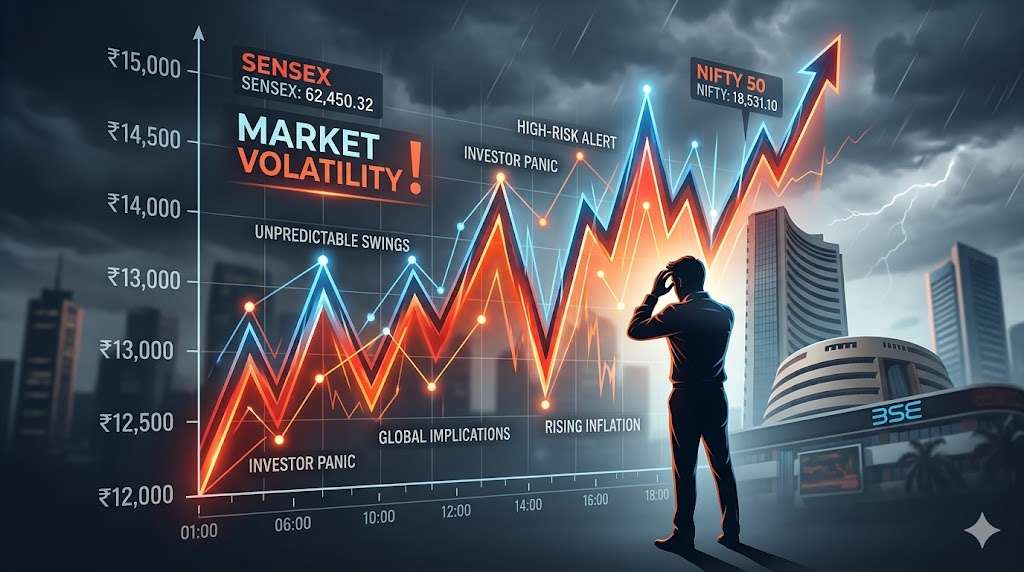
Market Volatility Reshapes Portfolio Strategy
During uncertain market conditions, many investors consider fixed deposits as the safest investment in India.
Seasoned investors know bull runs do not last forever. After multiple corrections, they are embracing rebalancing rather than exiting equities outright. Fixed deposits play three crucial roles:• A stabilizing anchor in diversified portfolios• A safe harbor for short-term goals (up to five years)• A psychological buffer that reduces panic selling during market dipsThis shift signals realism, not pessimism.
Due to market uncertainty, fixed deposit trend in India is shifting toward safer and stable investment options.
Many investors also balance their savings with smart credit usage. Check the Best credit cards in India for maximum benefits
Senior Citizens:
The Vanguard of the FD RevivalRetirees face rising healthcare costs and longer life expectancies. They value dependable cash flow over spectacular gains. With banks offering preferential FD rates—often 0.25%–0.50% higher—seniors naturally lead the resurgence. Clear timelines and regular interest payouts help them budget medical, lifestyle, and emergency expenses with confidence.
Why Are Fixed Deposits Becoming Popular Again?
-
Rising FD interest rates in 2026
-
Increased market volatility
-
Preference for safe investments
-
Guaranteed returns from banks
Diversify your portfolio with RBI bonds and government schemes
Also explore short term government investment schemes for safe returns.
The Trust Factor: Latest Fixed Deposit Trend in India (2026 Update)
Bank fixed deposit returns may be lower than equity investments, but they offer stability and guaranteed income.
Why Banks Still Win on SafetyTrust remains a cornerstone of Indian finance. Banks, backed by regulatory oversight and deposit insurance, project a sense of security that newer digital platforms cannot easily replicate. While stock prices swing in response to geopolitical tweets, fixed deposits sit quietly, earning interest. This perceived insulation from global chaos is a powerful draw in 2026.
Fixed deposit trend in India refers to the changing patterns in how investors use bank FDs based on interest rates, economic conditions, and risk preferences. In 2026, rising interest rates and market volatility are driving more investors toward fixed deposits as a safer investment option.
Many users also combine FDs with smart credit usage. Check our guide on how to maximize SBI credit card benefits.

Practical Implications for Your Portfolio
The renewed fixed deposit trend in India offers three strategic takeaways:a. Stability Carries Real Monetary ValueVolatility can erode not just wealth but also discipline. A stable core lets you hold riskier assets for the long haul.b. FDs Remain Relevant ToolsUse them for emergency funds, planned expenses inside five years, or as an income ladder in retirement.c. Balance Outperforms ExtremesNo single asset class—equities, debt, real estate, or gold—should dominate your portfolio. Allocate across them to protect and grow wealth consistently.
If you are planning finances better, don’t miss our Complete Personal Loan Guide in India: Interest Rates, Eligibility & Tips (2026)

Who Should Prioritize Fixed Deposits?
When comparing FD vs mutual fund, investors must balance risk, returns, and financial goals carefully.
Risk-averse investors who lose sleep over market swings• Seniors seeking regular, predictable income• Families with near-term liabilities such as tuition fees or a down payment• First-time investors building an emergency fundConversely, young professionals with long investment horizons can still lean toward equities—yet even they benefit from parking short-term cash in FDs to avoid forced exits during market crashes.
Understanding fixed deposit trend in India can help investors choose safer and more predictable returns.
For long-term financial planning, combining FDs with other options like mutual funds can also be beneficial.
If you want to improve your financial knowledge, don’t miss our detailed guides on saving, investing, and credit management. Explore more in our Personal Finance and Investments sections to make smarter money decisions in 2026.
Striking the Perfect Balance: FDs, Equities, and Beyond
A sample diversified investment plan for 2026 might look like this:
-
20%–30% in fixed deposits and short-term debt for stability
-
40%–60% in equity mutual funds or index ETFs for long-term growth
-
10%–15% in gold, REITs, or other alternatives as inflation hedges
-
5%–10% in liquid cash for emergencies
Adjust these allocations based on your age, financial goals, and risk tolerance.
Here are the latest fixed deposit changes in India (2026) based on recent trends and policies:
| Change / Update | Details | Impact on Investors |
|---|---|---|
| Interest Rate Trend | FD interest rates increased to ~7%–8.5% in many banks | Higher returns for savers |
| RBI Monetary Policy | Stable or high repo rates maintained | Banks offering better FD rates |
| Senior Citizen Benefits | Extra 0.25%–0.50% interest continues | More attractive for retirees |
| Taxation on FD Interest | Interest taxable as per income slab | Post-tax returns need planning |
| Digital FD Options | Online FD booking & auto-renewal improved | Easy & fast investment |
| Small Finance Banks | Higher FD rates than large banks | Better returns but slightly higher risk |
| Inflation Impact | Inflation still moderate-high | FD returns may just beat inflation |
Conclusion: Fixed Deposit Trend in India
Clarity, Control, and ConsistencyThe fact that Indians Are Moving Back to Fixed Deposits in 2026 is not a story of retreat; it is a story of financial maturity. By recognizing the value of certainty and blending it with growth assets, investors are building portfolios that not only accumulate wealth but also preserve peace of mind. In an era of information overload and market noise, choosing clarity over complexity may be the smartest investment decision you make this year.
Overall, fixed deposit trend in India indicates a strong return toward safe investment strategies in 2026.
To make smarter financial decisions, explore these important guides:
– Types of bank accounts in India explained
– Top credit cards for maximum benefits in 2026
– How to choose the right personal loan in India
– Beginner’s guide to mutual fund investments
🔥 FAQs on Fixed Deposit Trend in India (2026)
Q1. What is the latest fixed deposit trend in India in 2026?
The latest fixed deposit trend in India in 2026 shows rising interest rates, increased investor preference for safe assets, and higher participation from senior citizens and conservative investors.
Q2. Why are fixed deposit trends in India changing in 2026?
Fixed deposit trend in India is changing due to rising RBI interest rates, market volatility, and a shift toward low-risk investment options among Indian investors.
Q3. Are fixed deposit trends in India indicating that FDs are safer than mutual funds?
Fixed deposit trend in India suggests that FDs are safer than mutual funds in terms of guaranteed returns, but mutual funds may offer higher long-term returns with higher risk.
Q4. How do fixed deposit trends in India affect FD interest rates?
Fixed deposit trend in India is directly influenced by RBI policies and inflation, which impact FD interest rates offered by banks and financial institutions.
Q5. Who should follow fixed deposit trend in India before investing?
Anyone planning to invest in safe financial instruments, including retirees, salaried individuals, and risk-averse investors, should closely follow fixed deposit trends in India.
About the Author
Vijay Kumar Sinha is the founder of Top Updates Finance. He writes research-based articles on personal finance, mutual funds, credit cards, loans, and government schemes to promote financial awareness among Indian readers.